Zero-Emission Urban Transport from 2026
Blog
31.05.2026

Urban transport transformation is no longer just about deciding which bus to purchase. Increasingly, it is about whether a city can build a resilient, secure, and well-integrated energy system for public transport. Just a few years ago, the debate around zero-emission mobility focused primarily on vehicles. Today, it is clear that long-term success will depend not only on buses themselves, but on the infrastructure that enables them to operate efficiently for decades. The greatest challenge of transport decarbonization is now energy infrastructure rather than vehicle selection.

From 1 January 2026, Polish municipalities with more than 100,000 inhabitants and public transport operators acting on their behalf will only be allowed to purchase zero-emission buses. This marks the transition from incentive-based policies to a clear regulatory obligation. Poland's decision is part of a broader transformation in which public transport, energy systems, and urban infrastructure are increasingly planned as one integrated system.
Only a few years ago, discussions about zero-emission public transport focused on propulsion technologies. Today, the real constraints lie beyond the vehicle itself: in depots, grid connections, charging infrastructure, refuelling stations, fuel logistics, and energy management systems. Purchasing a zero-emission bus is only the first step; in reality it is an infrastructure, energy, and operational decision with long-term consequences for the city.
The transition to zero-emission mobility is changing the role of municipalities. Cities are no longer merely transport organizers and fleet owners. They are increasingly becoming participants in local energy markets and operators of complex infrastructure systems. In a well-designed model, a depot evolves into a local energy hub integrating vehicle charging, hydrogen refuelling, energy storage, and renewable energy sources.
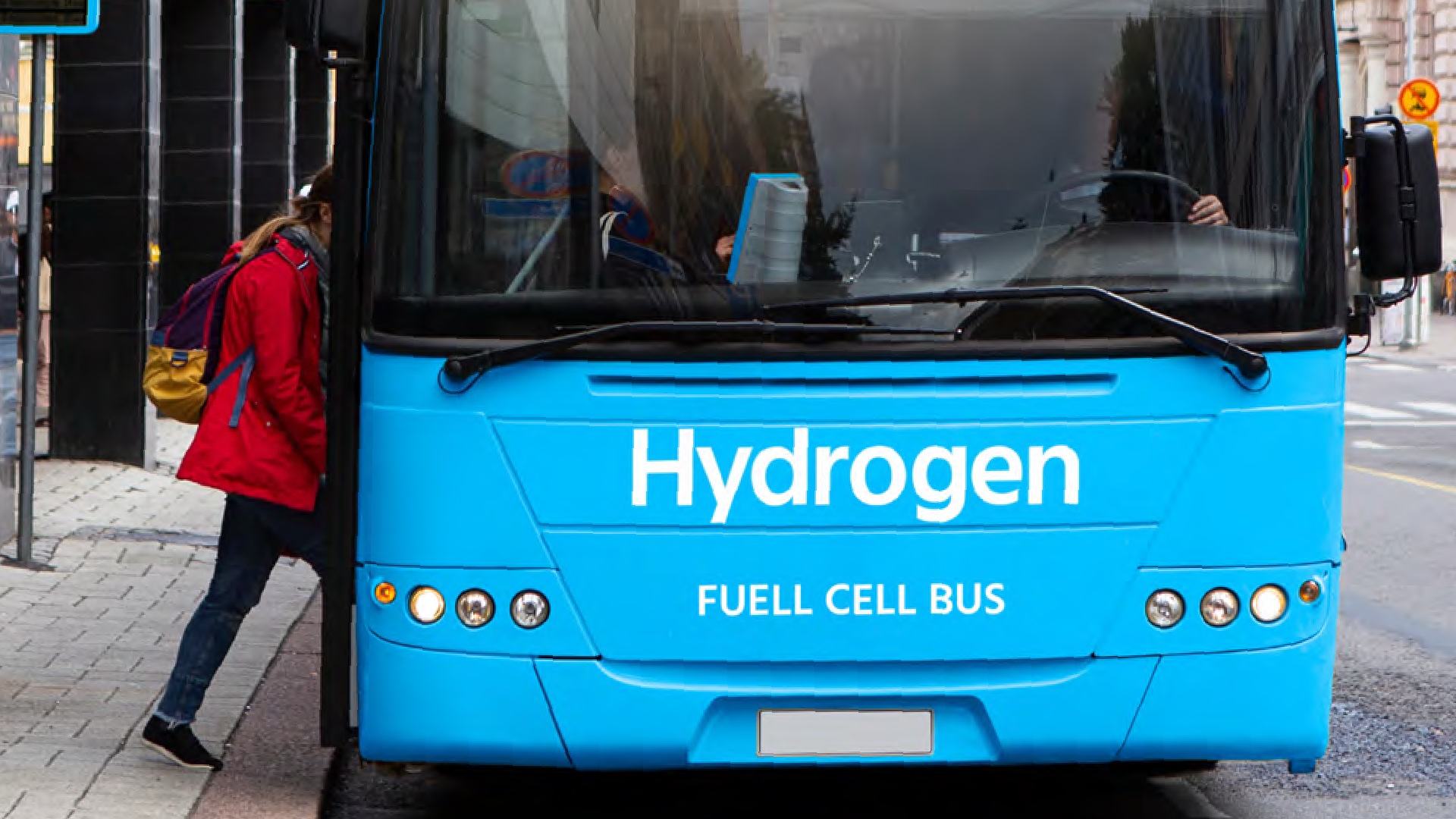
Hydrogen should not be presented as a universal solution for every transport application. Its strongest value proposition lies in operations requiring high vehicle availability, short refuelling times, long range, and intensive fleet utilization. The most mature strategy is not selecting a single technology for all use cases, but matching infrastructure to operational needs and the city's long-term energy strategy.
The role of hydrogen extends beyond transportation. In selected infrastructure models, hydrogen can be produced locally through electrolysis, stored, and distributed to serve transport and other users. This approach can enhance energy security, reduce dependence on external fuel suppliers, and strengthen the resilience of urban infrastructure against energy disruptions.
The zero-emission transport market is moving beyond vehicle procurement toward integrated energy infrastructure management. Long-term competitive advantage will belong not to individual technologies but to the ability to combine energy systems, automation, gas technologies, process safety, and fleet operations into a coherent ecosystem. Rockfin's HyVentive portfolio reflects this approach by covering the entire hydrogen value chain.
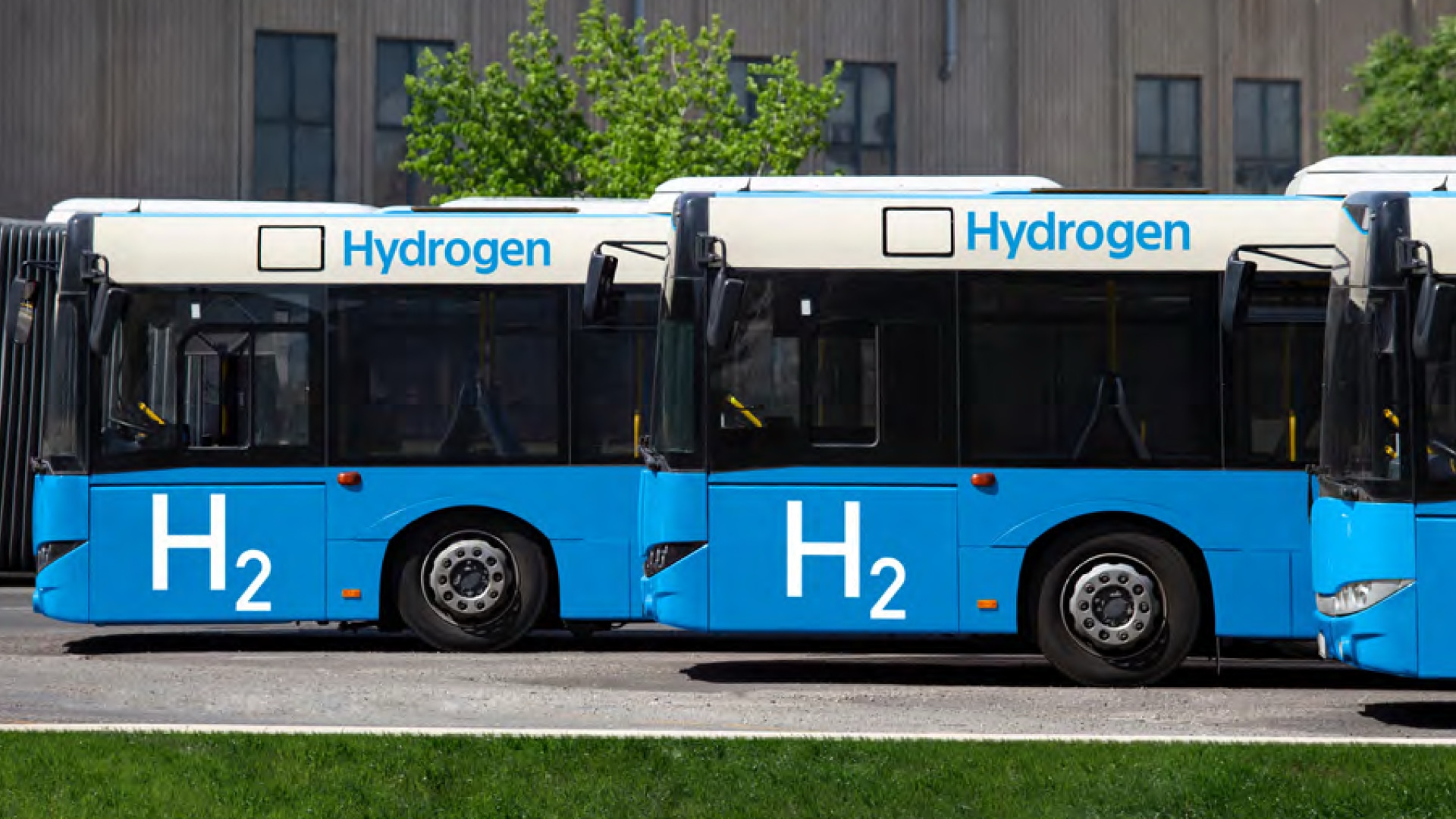
As projects scale up, reliability becomes increasingly important. For public transport operators, refuelling infrastructure is a critical asset. High operational availability, hydrogen quality, process safety, rapid maintenance response, and minimized downtime are becoming decisive success factors. Infrastructure must be designed according to industrial standards to ensure long-term operational continuity.
The years 2026–2035 will be a period of major system-level decisions. Cities will define the structure of their fleets and energy infrastructure for decades to come. The next phase will include charging infrastructure, hydrogen refuelling systems, depot modernization, energy storage, digital energy management, and integration with local energy systems.
The regulatory changes coming into force in 2026 mark the beginning of a new phase in urban mobility. Success will depend not only on replacing fleets but above all on the quality of the energy infrastructure supporting zero-emission transport. In the coming decade, the decisive factor will not be the number of zero-emission buses purchased, but the ability of cities to build resilient, secure, and efficiently managed energy infrastructure.