
Storage Systems
Low-pressure steel tanks for standard applications and high-pressure composite cylinders for specialized storage needs. These systems are tailored to ensure seamless integration with hydrogen production.
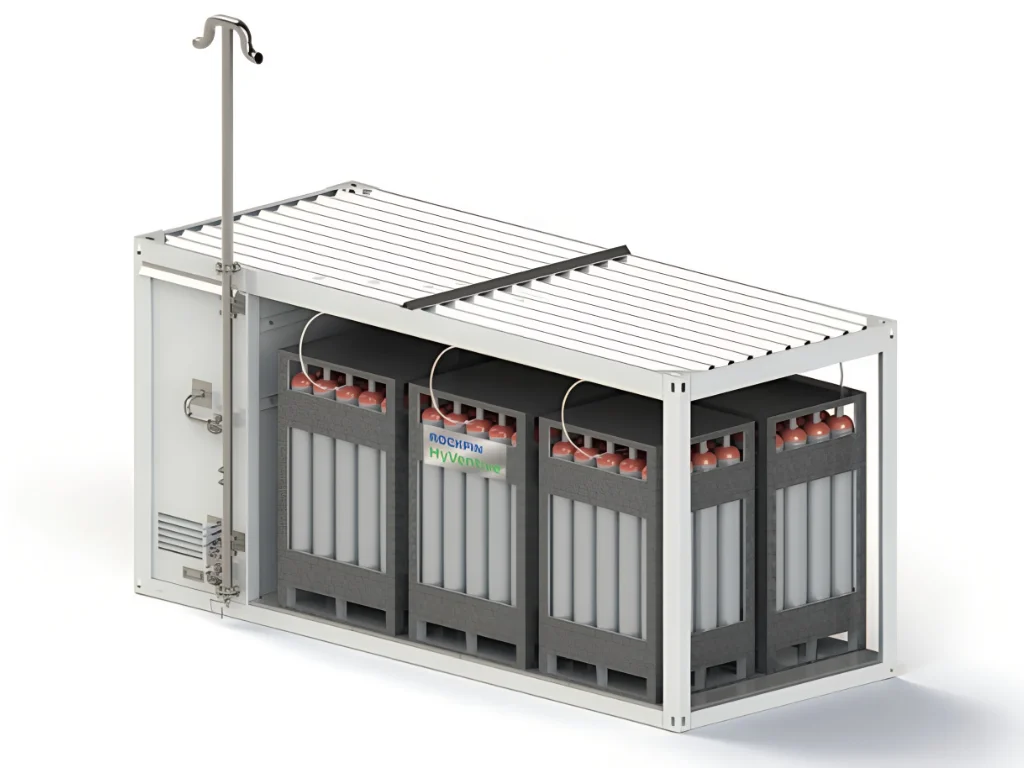
R-PACK Hydrogen Storage
One of the key challenges associated with the use of hydrogen is its safe and efficient storage. For this purpose various types of pressure vessels are applied, with designs tailored to specific requirements concerning capacity, safety, weight, and cost-efficiency. Hydrogen storage cylinders are generally classified into four main generations, each representing an advancement in materials and engineering aimed at improving performance and safety.
Generations of Hydrogen Storage Cylinders
Generation I – Metallic Cylinders
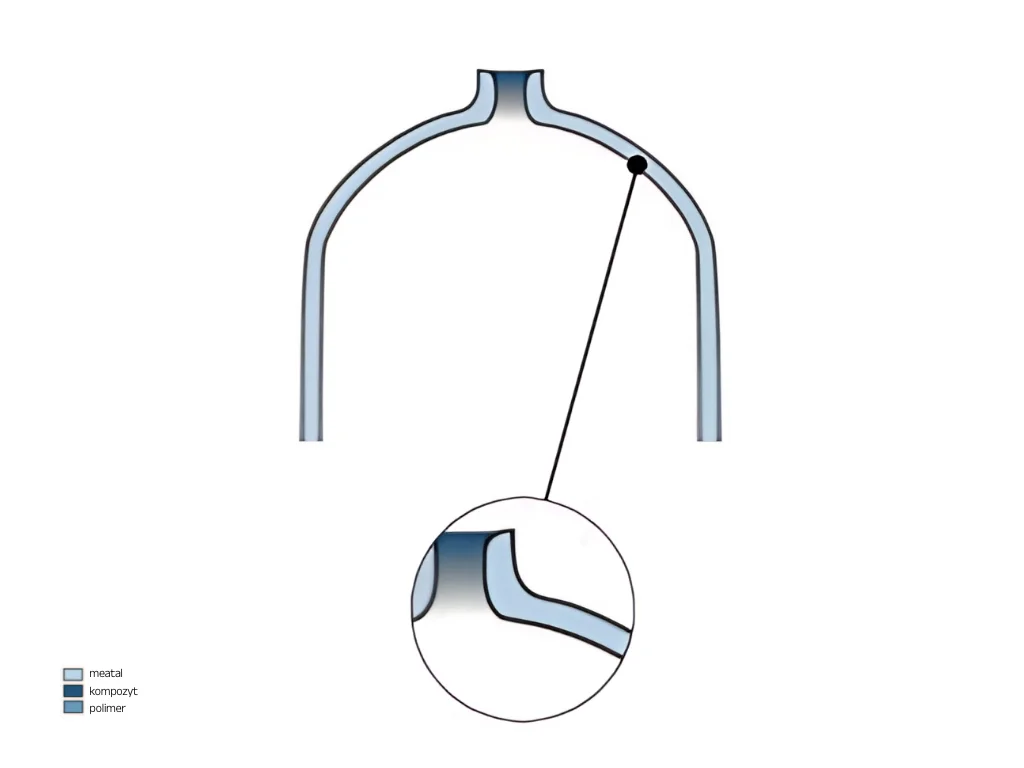
The earliest type of cylinders used for hydrogen storage are fabricated from carbon steel, stainless steel, or aluminium.
- Material: Carbon steel, stainless steel, or aluminium.
- Working pressure: Up to 300 bar.
- Mass: High relative to storage capacity.
- Applications: Primarily used in industrial settings and laboratories.
- Advantages: Low cost and high durability.
- Disadvantages: High weight, limited working pressure, susceptibility to corrosion.
Generation II – Composite Cylinders with Metallic Liner
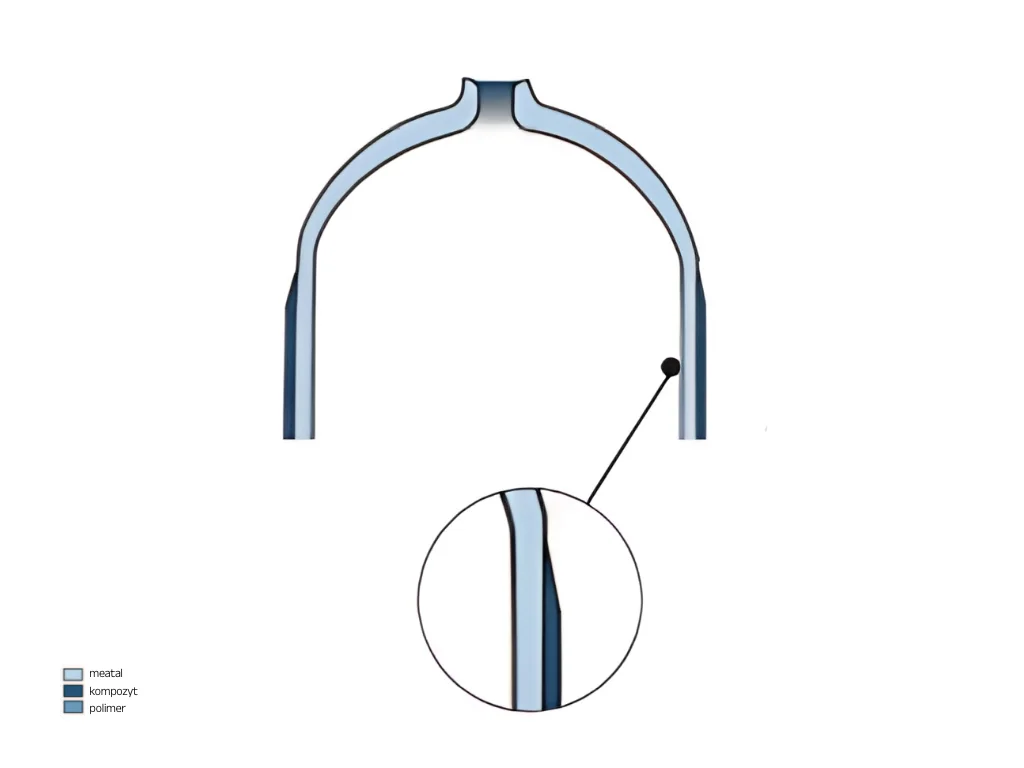
Advancements in materials technology enabled the development of hydrogen storage cylinders that combine traditional metals with modern composite reinforcements.
- Material: Metallic liner (steel or aluminium) overwrapped with glass fibre or carbon fibre composite.
- Working pressure: 200–300 bar.
- Mass: Lighter than steel cylinders, though still relatively heavy.
- Applications: Portable hydrogen storage systems, demonstration vehicles.
- Advantages: Improved mass-to-capacity ratio compared to Generation I.
- Disadvantages: Still relatively heavy; higher manufacturing costs compared to Generation I.
Generation III – Composite Cylinders with Thin Metallic Liner
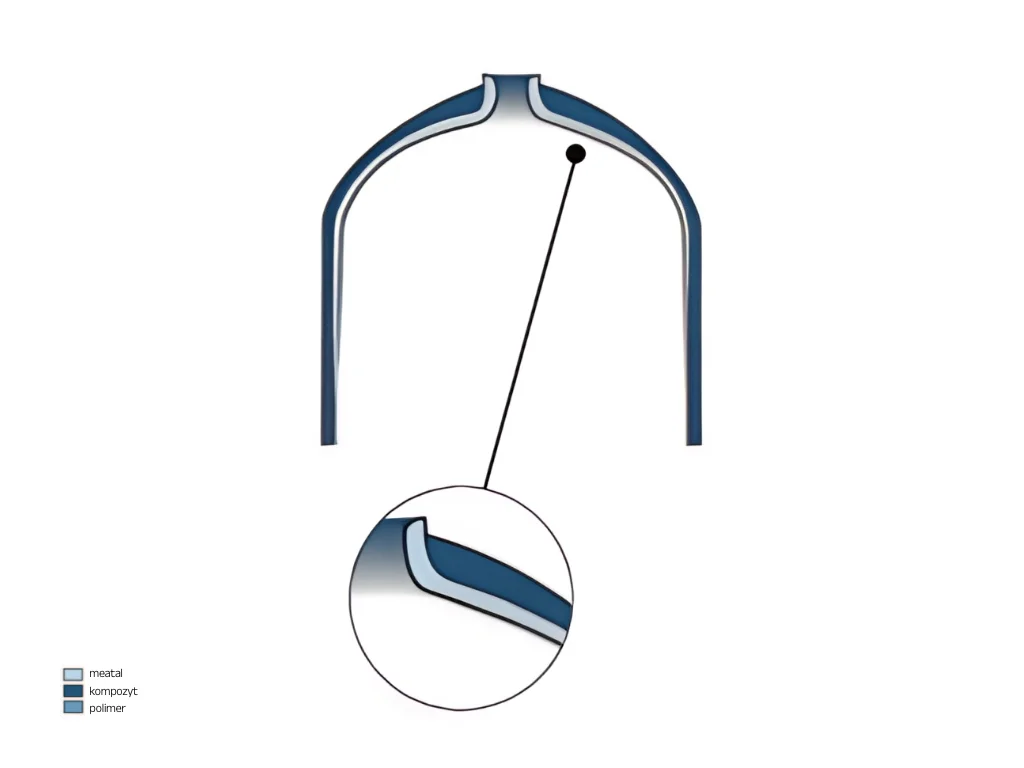
The next stage in development features cylinders that utilise a thin internal metallic liner combined with a robust external composite structure.
- Material: Thin metallic liner (typically aluminium) reinforced with a carbon fibre composite shell.
- Working pressure: 350–700 bar.
- Mass: Significantly lighter than Generation I and II cylinders.
- Applications: Mobile hydrogen storage systems, hydrogen-powered vehicles (e.g., buses, trucks).
- Advantages: Substantial weight reduction; capable of supporting higher storage pressures.
- Disadvantages: High production cost; requires advanced manufacturing technologies.
Generation IV – Fully Composite Cylinders
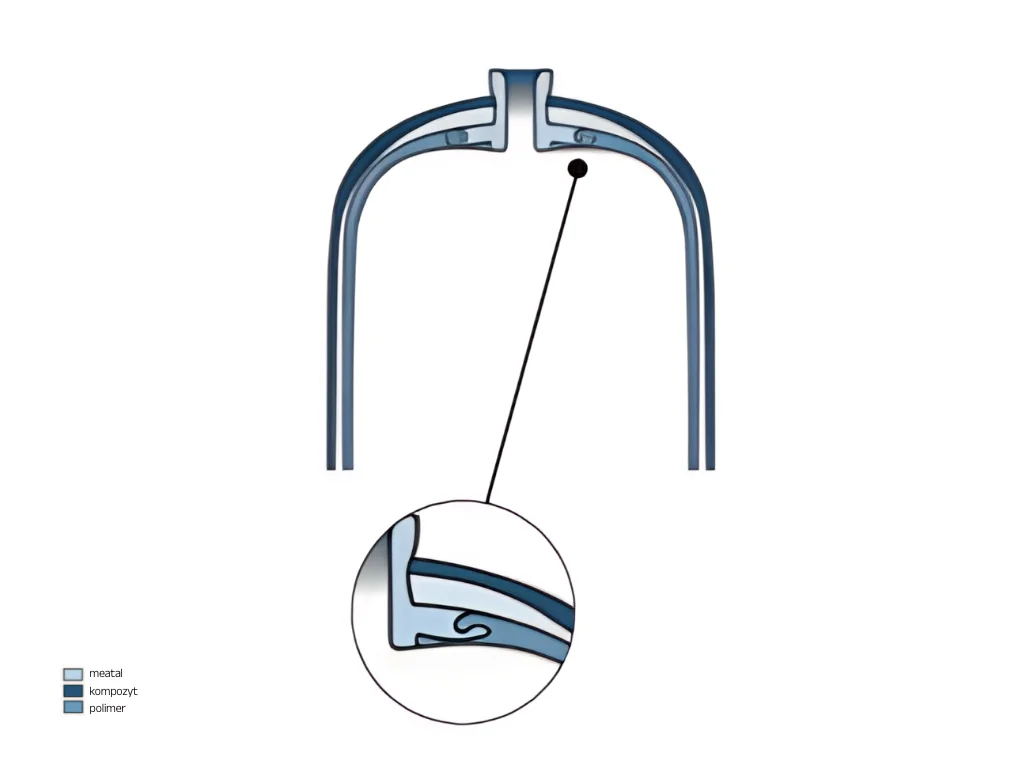
The most advanced technology currently available involves cylinders made entirely from composite materials.
- Material: Polymer liner encapsulated in a carbon fibre composite shell.
- Working pressure: 700 bar and above.
- Mass: The lightest cylinder design available on the market.
- Applications: Automotive sector (passenger cars, buses, trucks), aviation, hydrogen refuelling stations.
- Advantages: Optimal mass-to-capacity ratio, high safety performance, corrosion resistance.
- Disadvantages: Very high production cost; more complex recycling process.
Each successive generation of hydrogen storage cylinders demonstrates improvements in key technical parameters such as weight, capacity, and safety. As hydrogen technologies continue to evolve, reducing the mass of storage vessels and enhancing their efficiency remains a critical objective. Fully composite Generation IV cylinders currently dominate in modern mobile applications. Ongoing advancements in storage technology and reductions in production costs will play a pivotal role in the wider adoption of hydrogen technologies in the future.
Scope of Supply for R-PACK Hydrogen Storage Systems
Installation and Equipment Options
- Cylinder Pack
- Stationary Containerised Installation
- Mobile Containerised Installation
- Integrated Loading/Unloading Panel
- Pressure Gauge
- Safety Valve
- Hydrogen Detector
- Compliance with ADR Regulations
Services and Maintenance
- Transport and Unloading at the Installation Site
- Additional Maintenance During Storage Period
- Connection of System Components
- Connection of the System to Utilities
- Participation in Commissioning
- Personnel Training
- Periodic Inspections and Service Maintenance
Key Advantages of R-PACK Hydrogen Storage Systems
Durability: The design, based on proven components and high standards of project execution at Rockfin, ensures long-term reliability and durability of the products.
Mobility and Flexibility: R-PACK cylinder storage systems are easily transportable, making them ideal for mobile or temporary applications.
Scalability: R-PACK hydrogen storage systems are suitable for both small laboratory setups and large industrial installations.
Safety and Durability: The cylinders are constructed from robust materials that can withstand high pressures. Additionally, safety systems are in place to minimise the risk of leaks or failures.
Cost-Effectiveness: R-PACK cylinder storage systems are more affordable compared to large cryogenic or underground hydrogen storage tanks. The use of standard components allows for easy integration with existing systems and future expansion.
Example R-PACK Hydrogen Storage Systems
R-PACK.P.600.12.200.CS
- Type: P – Pack
- Capacity (Water): 600 litres
- Number of Cylinders/Tanks: 12
- Maximum Pressure: 200 bar
- Cylinder Generation: CS – Carbon Steel gen1
R-PACK.V.700.1.40.SS
- Type: V – Vessel
- Capacity (Water): 700 litres
- Number of Cylinders/Tanks: 1
- Maximum Pressure: 40 bar
- Cylinder Generation: SS – Stainless Steel gen1
R-PACK.C.800.16.300.C2
- Type: C – Container
- Capacity (Water): 800 litres
- Number of Cylinders/Tanks: 16
- Maximum Pressure: 300 bar
- Cylinder Generation: G2 – Composite gen2
R-PACK.C.1900.6.350.C3
- Type: C – Container
- Capacity (Water): 1900 litres
- Number of Cylinders/Tanks: 6
- Maximum Pressure: 350 bar
- Cylinder Generation: G3 – Composite gen3
R-PACK.T.1600.9.450.C4
- Type: T – Trailer
- Capacity (Water): 1600 litres
- Number of Cylinders/Tanks: 9
- Maximum Pressure: 450 bar
- Cylinder Generation: G4 – Composite gen4
Own Pressure Vessel Manufacturing Facility
Rockfin is a leading Polish manufacturer of energy systems, with its production facility located in Bydgoszcz, specialising in the manufacture of pressure vessels. As part of its operations, the company offers advanced solutions for hydrogen storage and separation, as well as other hydrogen technology applications.
The Rockfin facility is equipped with modern production lines that enable the manufacturing of pressure vessels using both carbon steels and stainless steels. Depending on requirements, the company can produce vessels with standard technical parameters, as outlined in the table below, as well as larger units available upon special request.
Technical Parameters of Custom Pressure Vessels
- Design Pressure: Up to 400 bar
- Design Temperature: from -196°C to 490°C
- Diameter: Up to 3000 mm
- Height: Up to 6000 mm
- Length: Up to 12000 mm
- Shell Thickness: Up to 60 mm
- Vessel Weight: Up to 30 tonnes
The company ensures product compliance with international quality and safety standards, including ASME and PED (CE) regulations, enabling their use in domestic, European, and global markets. With its own office and many years of experience in design, the company is capable of manufacturing custom pressure vessels, based on client documentation or designed according to specific requirements.